The question behind the headline
When did you start believing that?
Something you saw. Something you heard. Something that began to feel obvious. How did it become something you knew, and what did you do next?
 The information loop
From Issue 006
Explore Issue 006 →Watch through Lens · Issue 006 · 8:37
The headline is only the first domino.
Five stories, a Health Lens and the steps between a headline and its consequences. Told in 18 illustrations.
Choose a chapter · The first domino
 Health Lens
This week’s Health Lens
Cervical screening every 5 years.
What the longer interval means.
Molecular HPV testing, self-collection and when symptoms override the routine clock.
Read Health Lens →See the connections.
Understand the consequences.
44 stories. 55 threads to follow.
Enter the connection map →More worth understanding
Every issue →Headline Lens · Issue 009 · 1 October50 headlines. What did the words add?
Eight story groups. Exact wording, attribution and questions to take back to the evidence.
Read the answer →Health Lens · Issue 009Cervical screening every 5 years. What the longer interval means
Molecular HPV testing, self-collection and when symptoms override the routine clock.
Read the answer →Health · 18 SeptemberA free lung scan sounds simple. Who can actually get one?
Eligibility, pack-years and the steps after the scan.
Read the answer →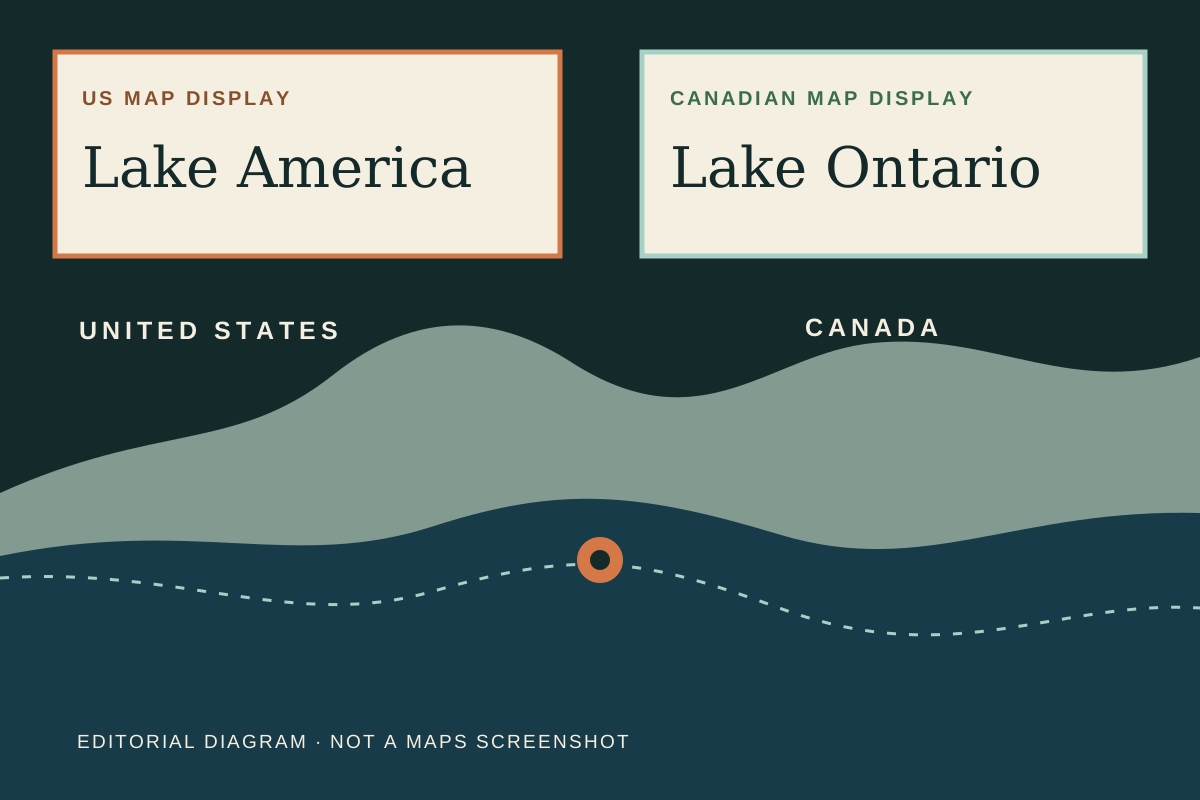 Global · Issue 008
Who gets to draw the map?
Compare the labels, follow the decision and ask what a familiar name actually establishes.
Read the answer →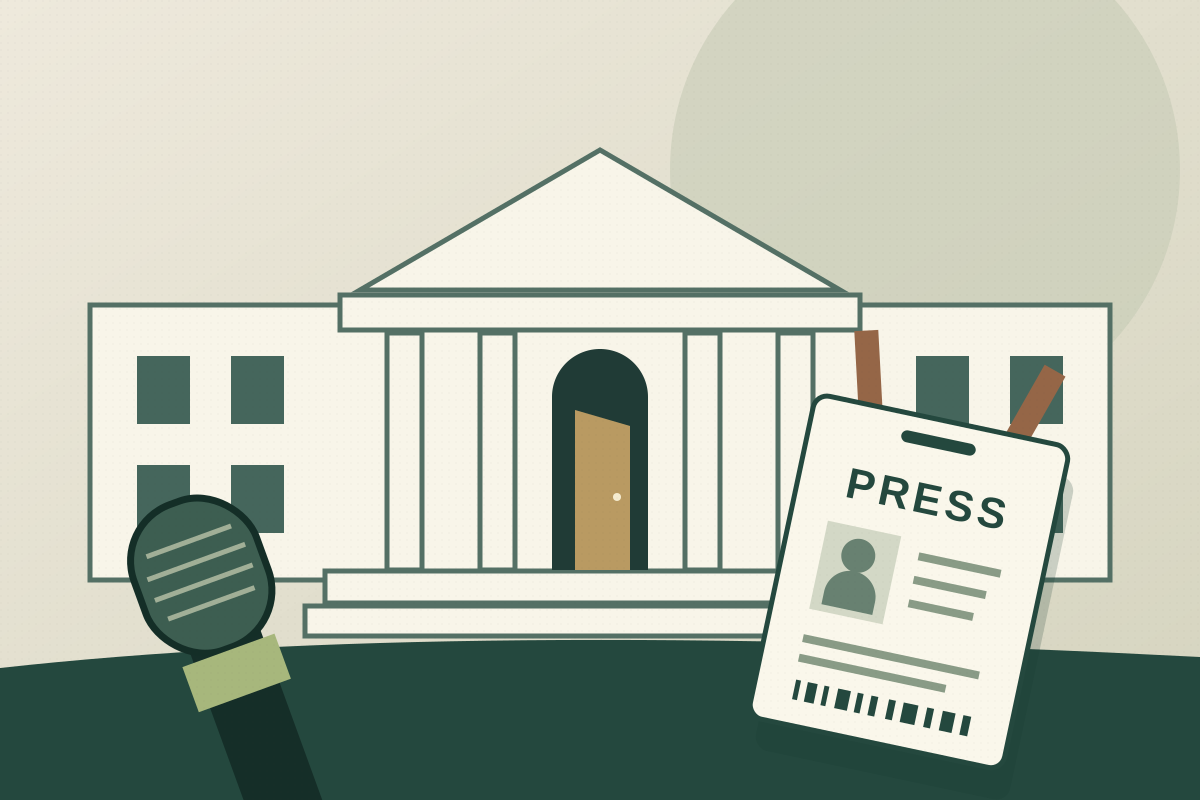 Media · Issue 008
Who gets through the White House press door?
Different forms of access affect who can witness events and ask questions.
Read the answer →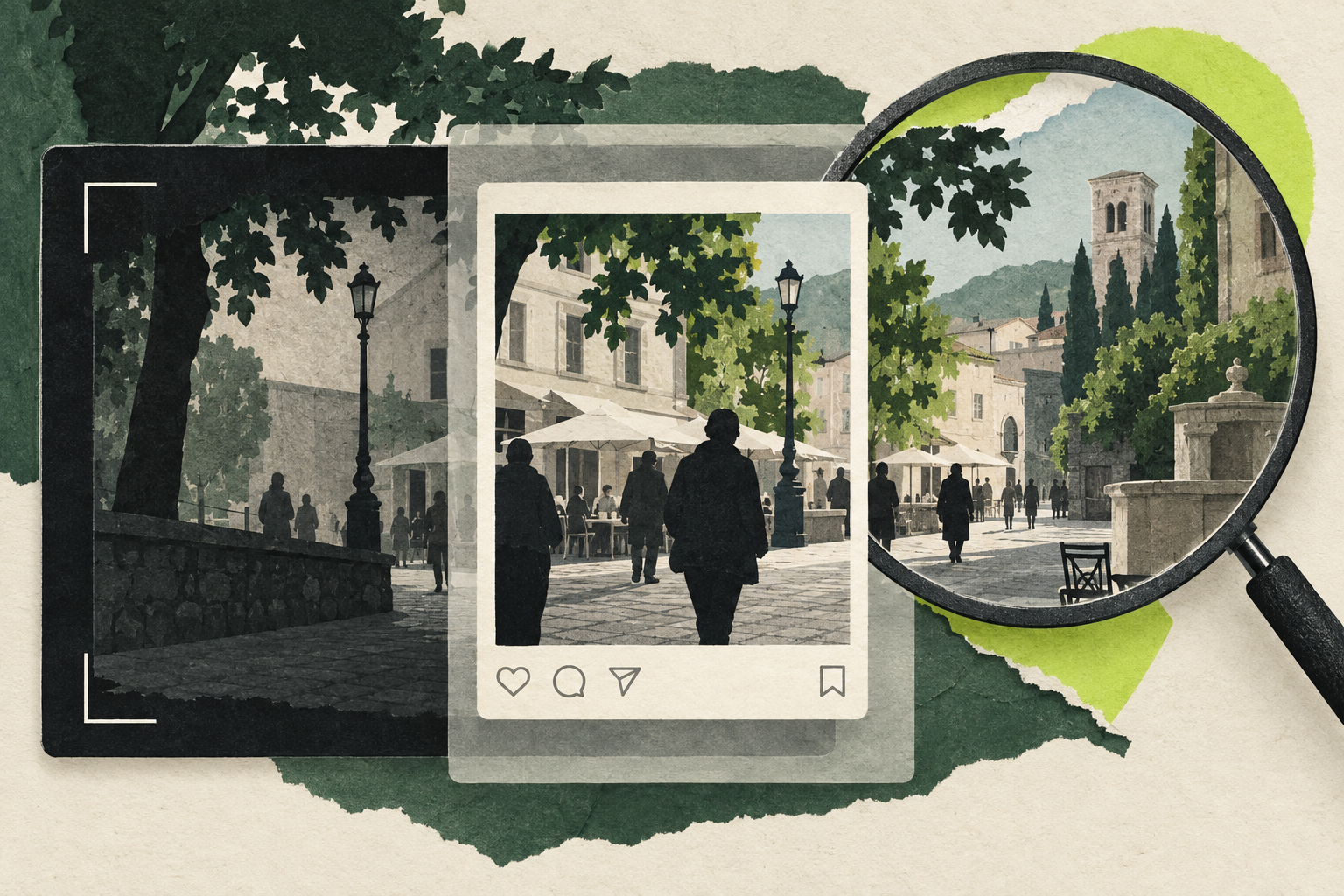 Global · Issue 007 · 24 September
Can you prove a picture is real?
Five practical checks for the source, context and claim behind an image or video.
Read the answer → World · Issue 006 · 18 September 2026
Hormuz, six months on: why is fuel rising again?
The war has become a problem of routes, repair and bargaining. A bypass can move oil around one chokepoint while exposing it to another.
Read the answer →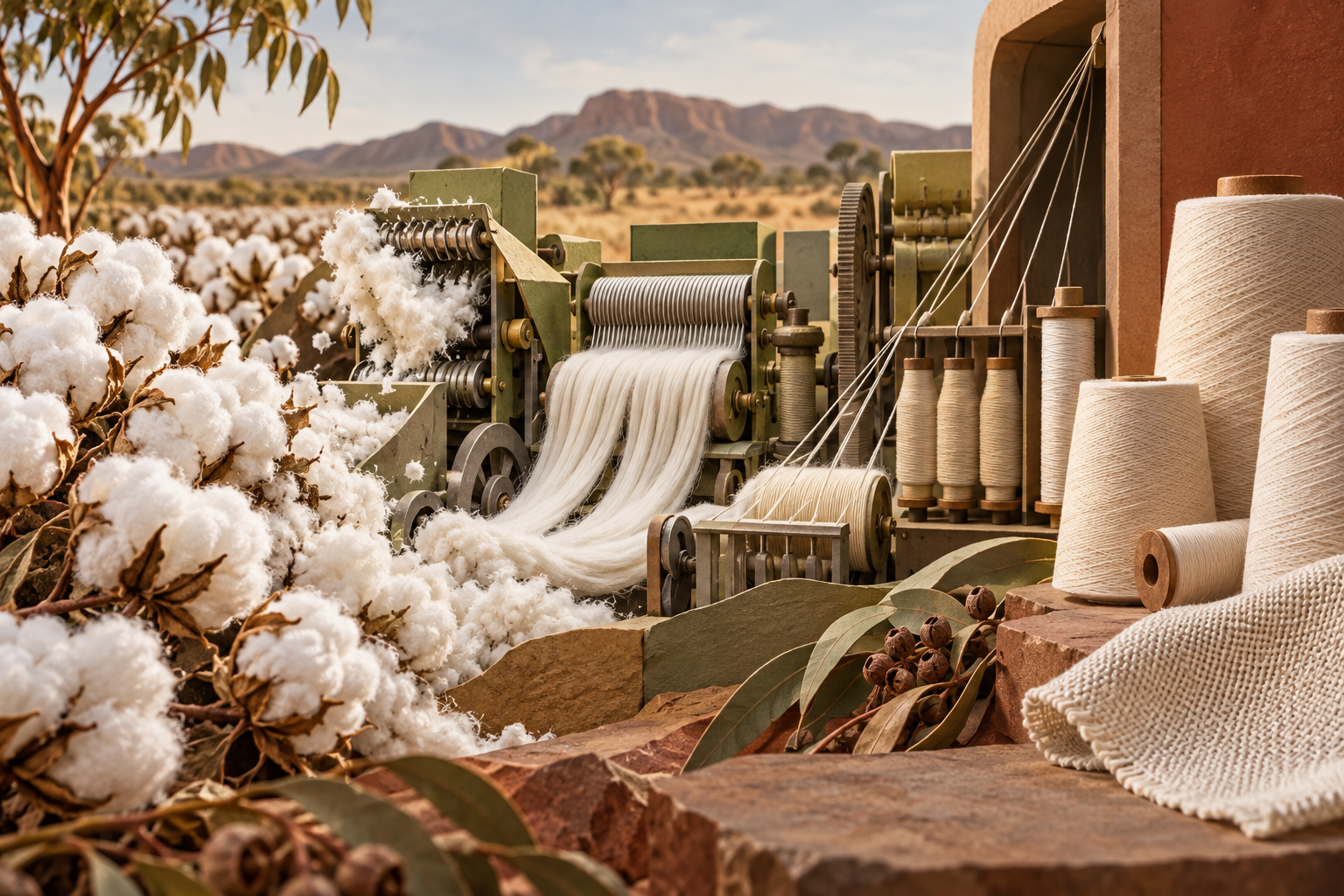 Australia · Making things · Issue 006
Australia grows the cotton. Why does it leave before we can wear it?
The missing industrial step sits between a bale of fibre and the yarn a textile maker can use. Rebuilding it takes more than buying a machine.
Read the answer → Science · Public records · Issue 006
The UAP files are being released. What have they actually revealed?
Five releases, 375 files and a new protected disclosure channel. The useful question is what kind of evidence each contains.
Read the answer →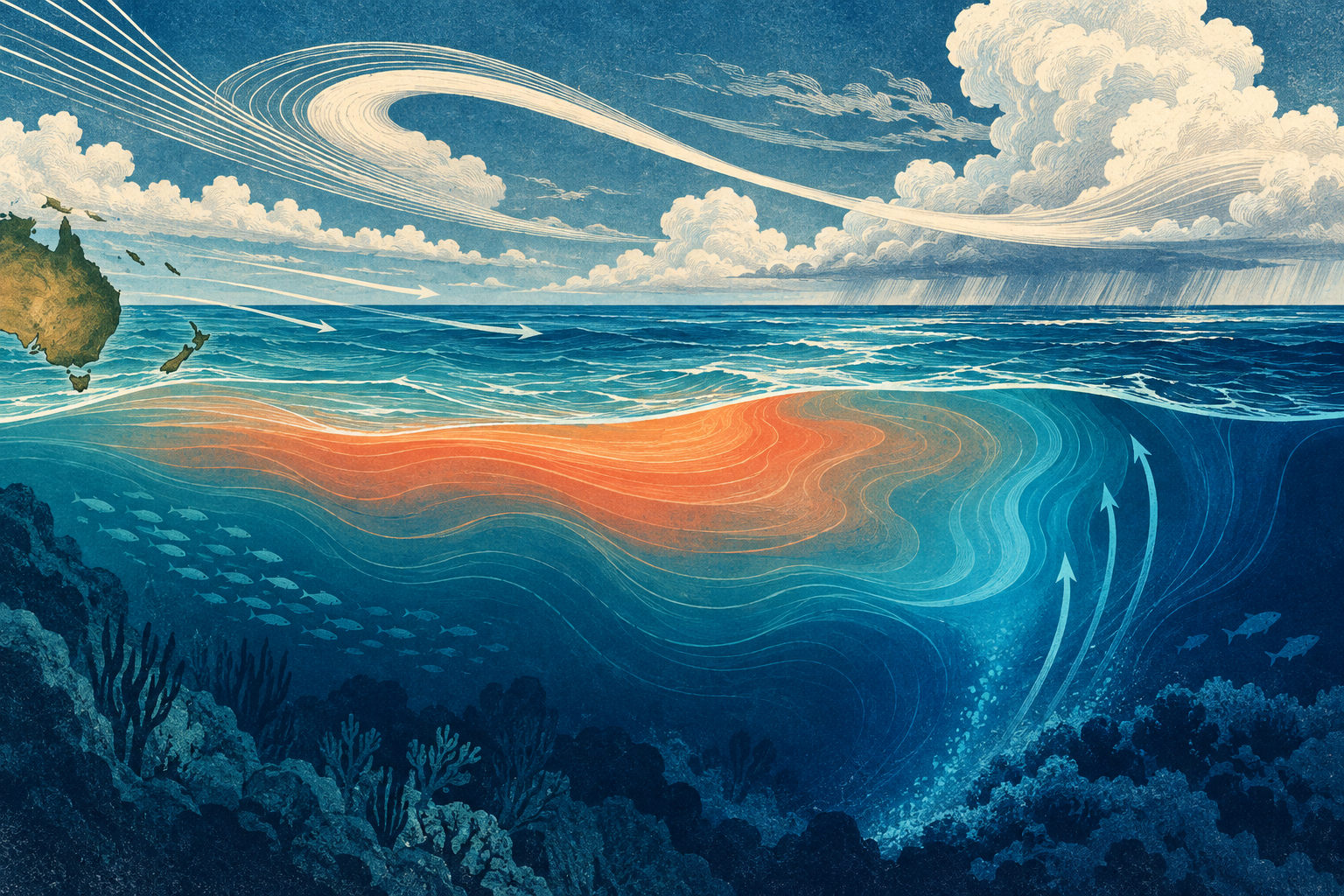 Climate · Measurement · Issue 006
A record El Niño may be forming. Does that mean Australia's worst summer?
The Pacific signal is unusually strong. Its Australian consequences still depend on where you live, which season you mean and what else the climate is doing.
Read the answer →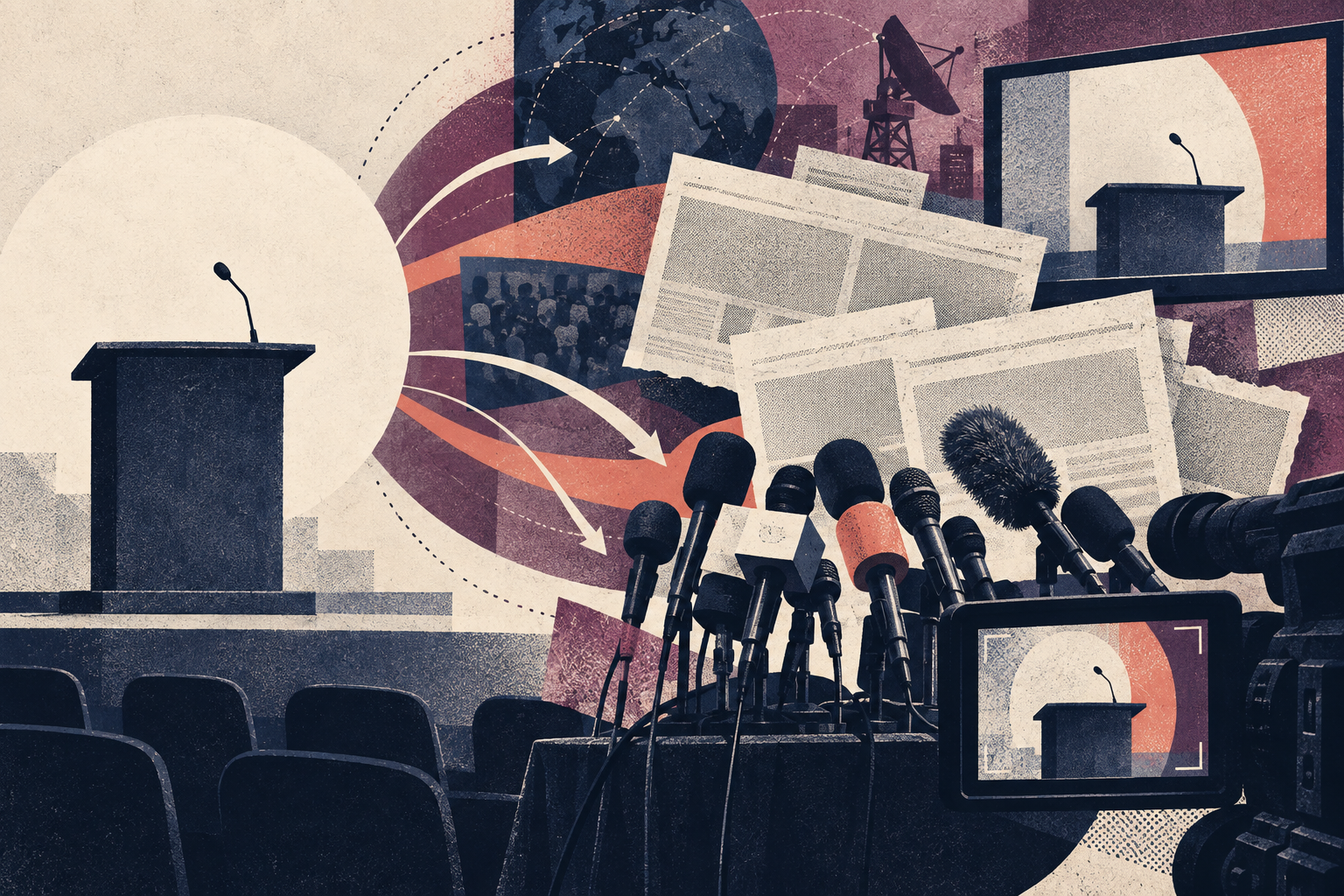 Australia · Politics and media · Issue 006
Pauline Hanson is active. What is the coverage choosing to show?
Policy, campaigning and controversy all appear in the record. A feeling of less attention is a question to measure, not a fact to build a story around.
Read the answer →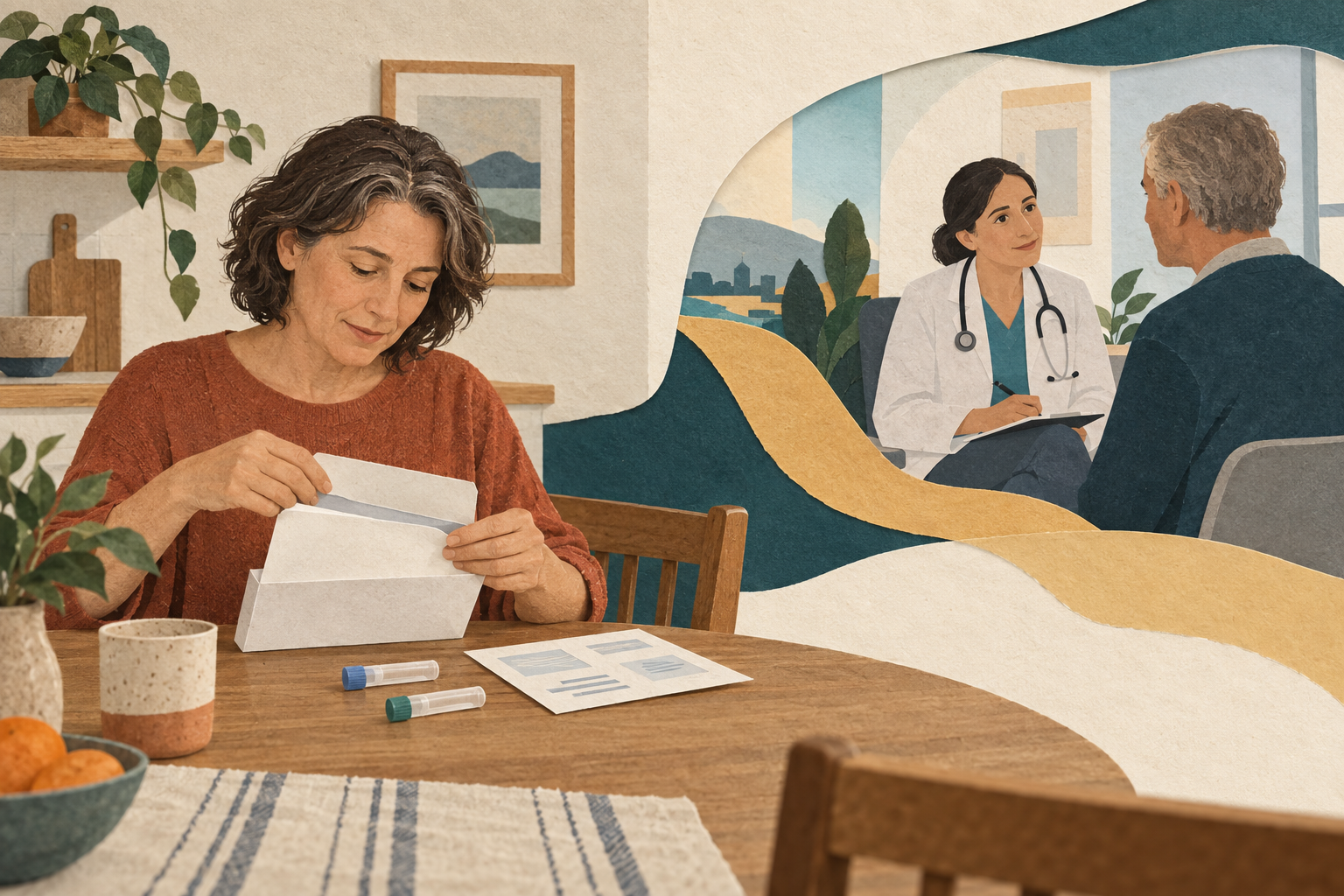 Health · 12 September
Bowel screening starts at 45. So why hasn't a kit arrived?
The first kit at 45–49 is by request. A screening result and a diagnosis are different things.
Read the answer →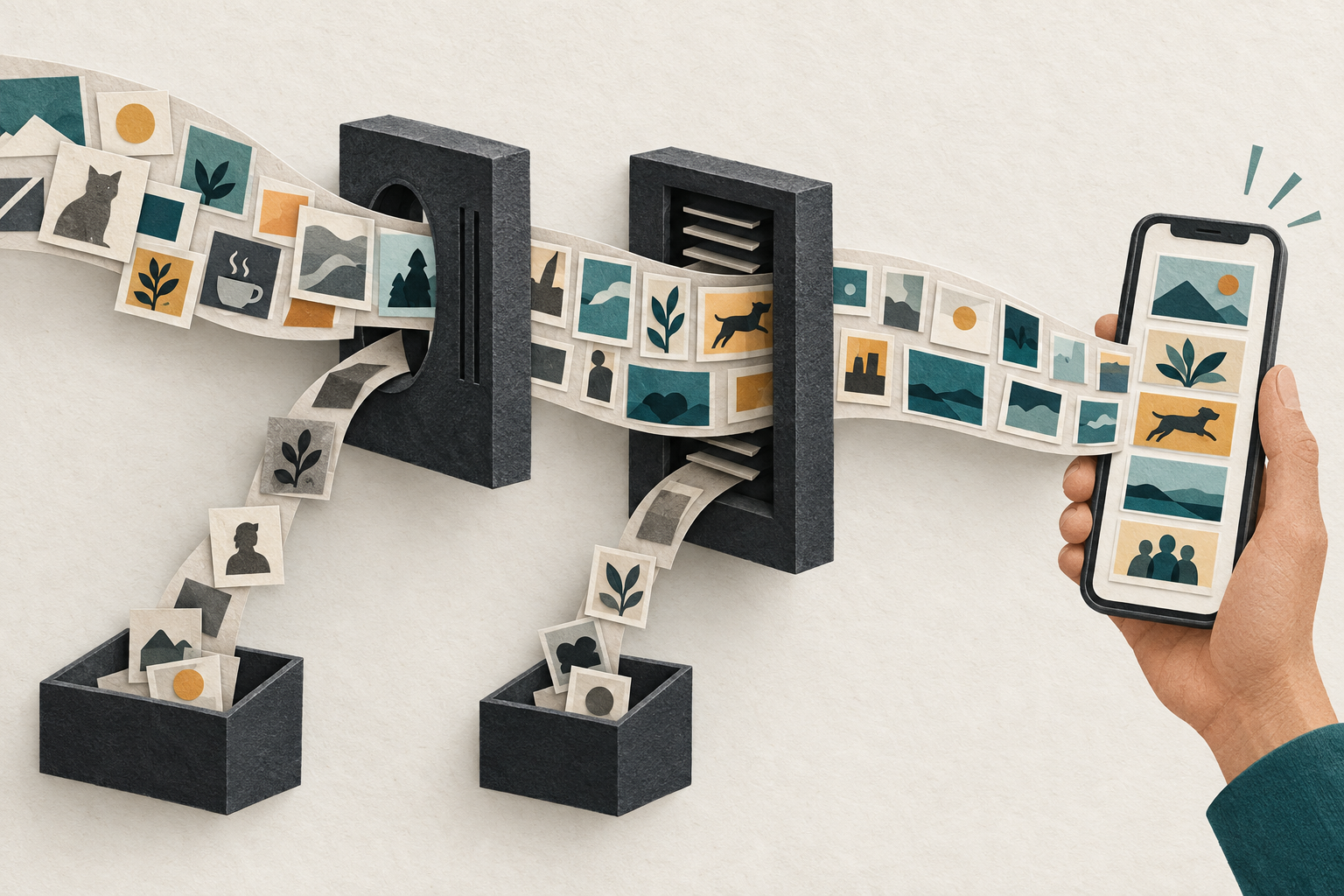 Australia · Issue 005
Who decides what Australians don't see?
The safety proposal, the acknowledged moderation risk and the safeguards that need to work.
Read the answer →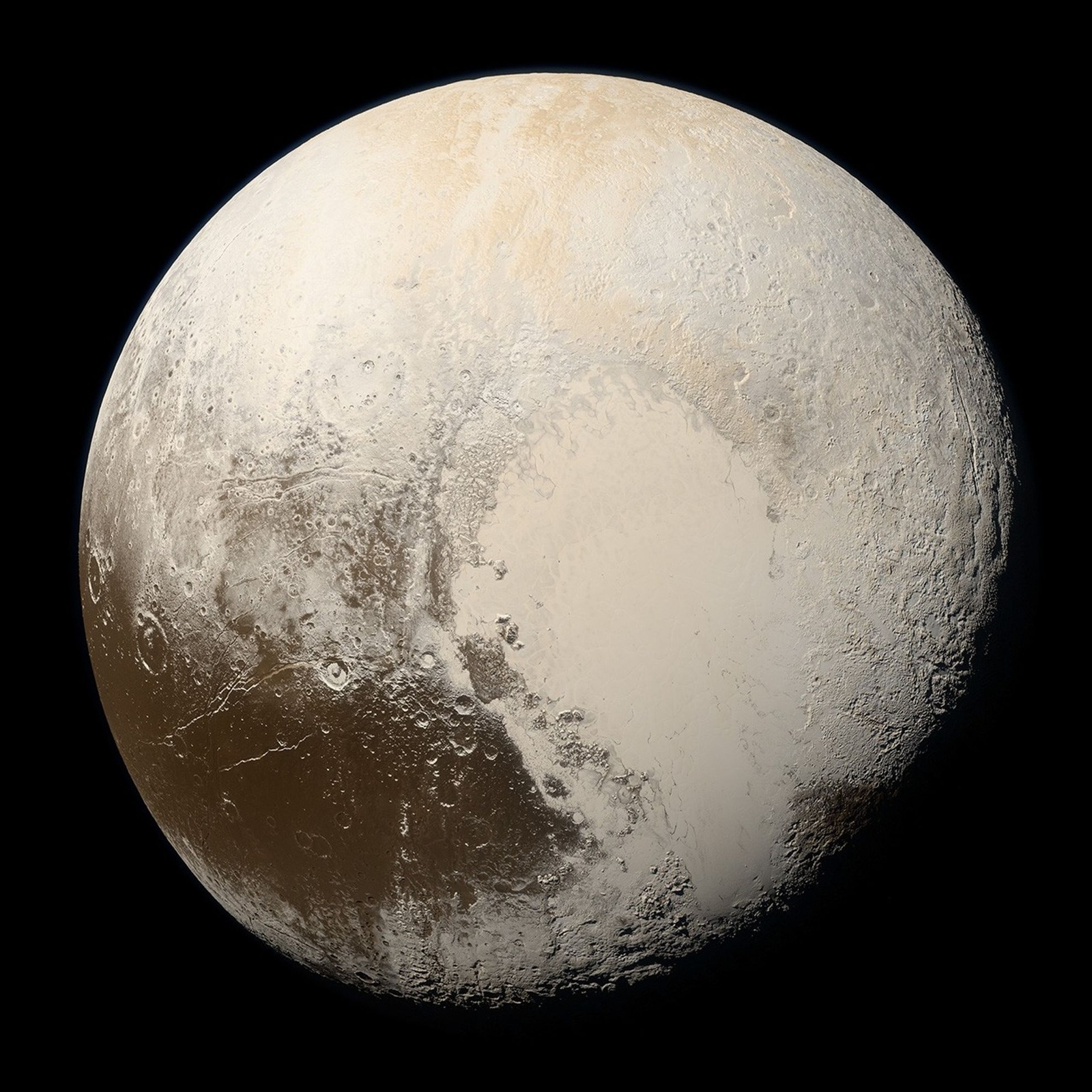 Science · Issue 005
The Solar System you were shown
Compare the labelled scientific images and follow how measurements become familiar worlds.
Read the answer →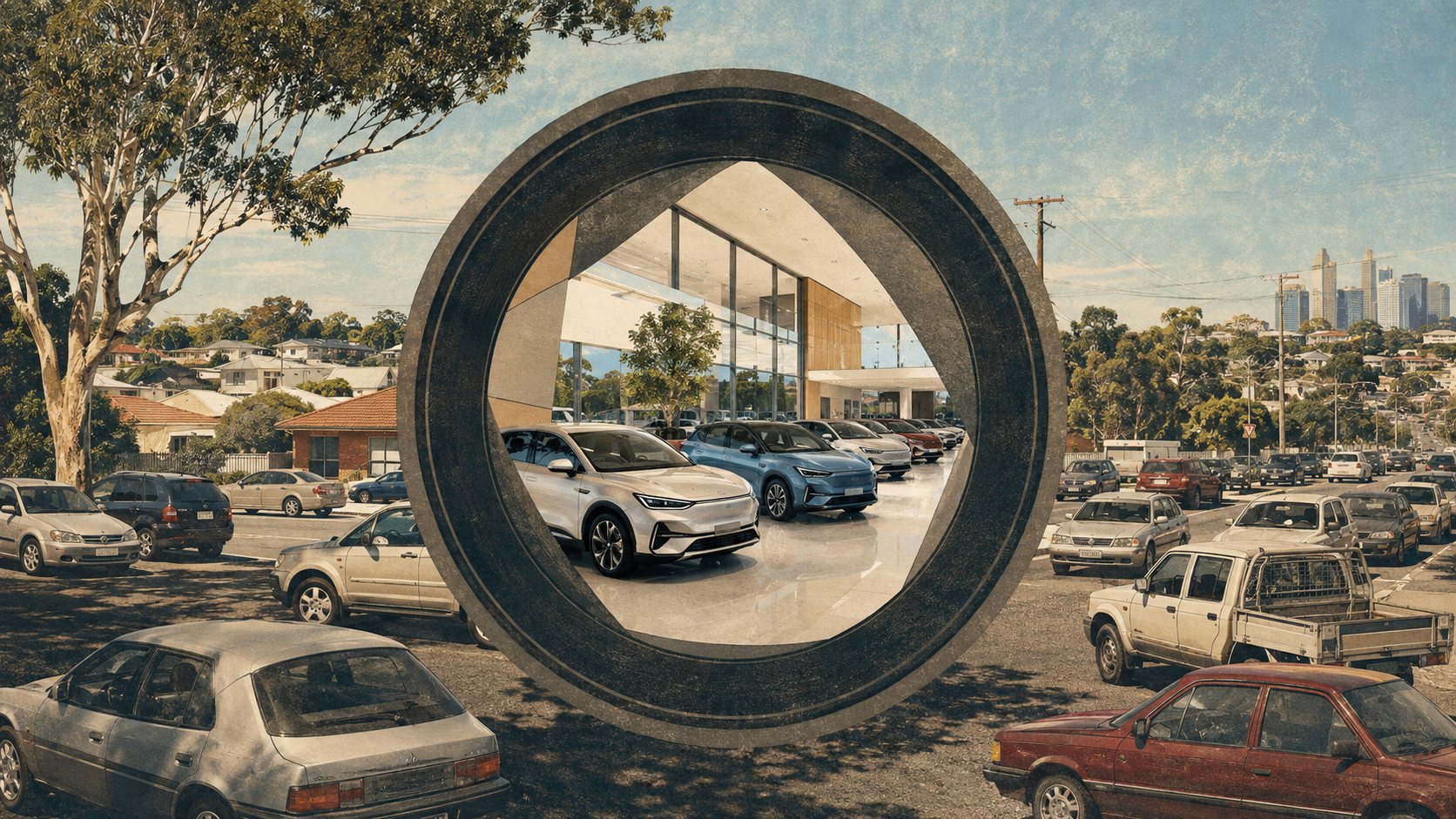 Cars and energy · 4 September
EVs just outsold petrol cars. Did Australia actually hit the tipping point?
One month of new sales is different from the much slower change in all the cars on our roads.
Read the answer →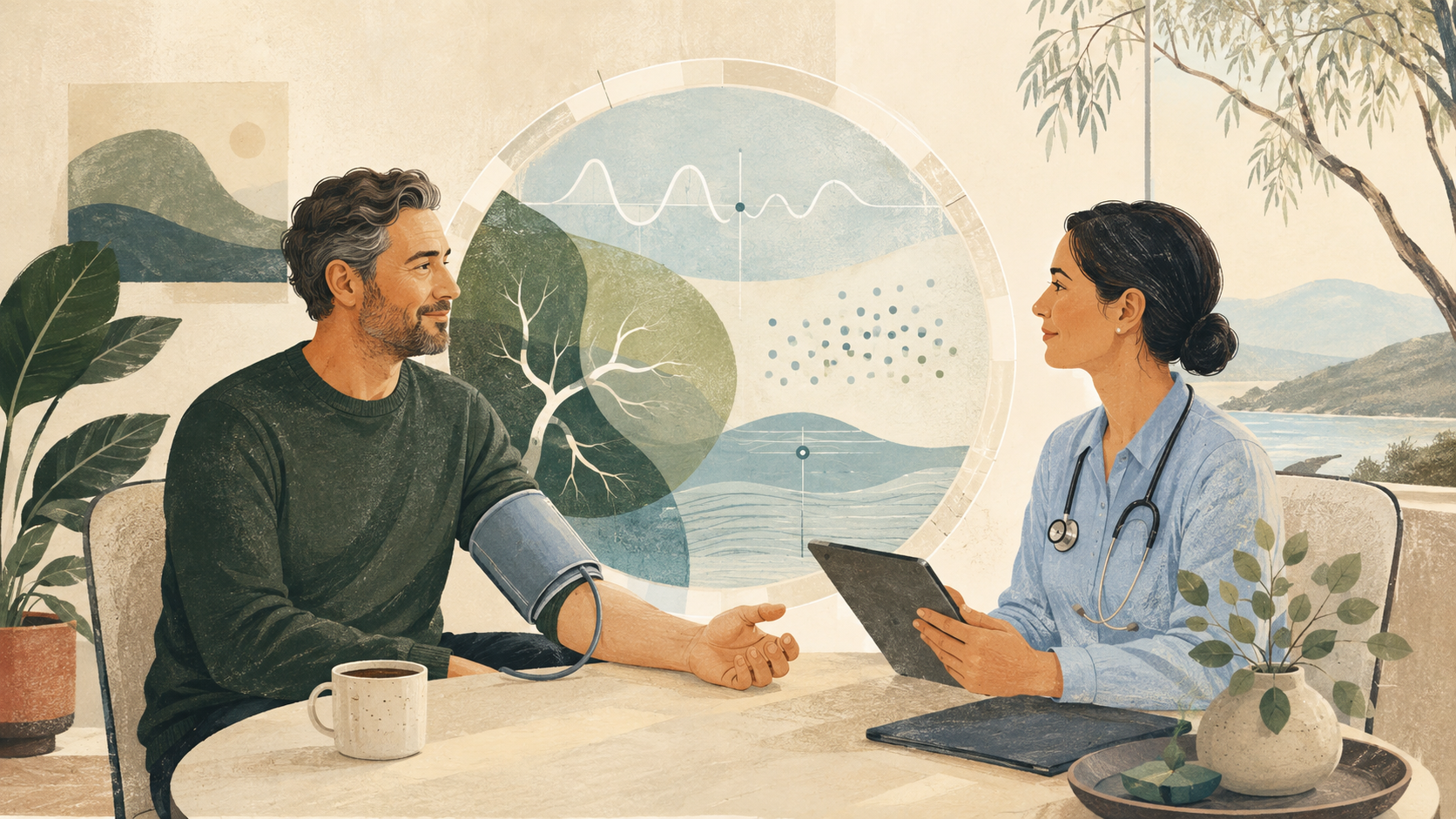 Health · 4 September
Could a check reveal heart attack risk before symptoms?
A risk check can guide prevention. It cannot predict exactly what will happen to you.
Read the answer → Politics · Issue 004
One Nation is leading a poll. What could it actually do?
Polling support and the power to govern are different things. Follow the steps between them.
Read the answer →Free Lens updates
Understand the story. Get the next Lens.
Our free weekly email brings you the latest Lens reporting and what changed.
Follow another curiosity
The weekly paper
Understand more. Keep your own view.
Lens follows the practical question behind the headline. Read the original sources, see what changed and find out what remains unknown.