Current editionIndependent · Evidence led · Published in AustraliaFive independent stories

The weekly paper
for curious people

See the connections.
Understand the consequences.

Free email via Substack →

Swipe to see more sections →

Issue 006 · 18 September 2026

Five stories.
Look a little closer.

Fuel. Cotton. UAP files. El Niño. Political attention.
Understand each on its own terms. Then see what survives a comparison.

Watch through Lens · Issue 006 · 8:37

The headline is only the first domino.

Five stories, a Health Lens and the steps between a headline and its consequences. Told in 18 illustrations.

English captions available · Plays on YouTubeWatch on YouTube ↗
Choose a chapter · The first domino
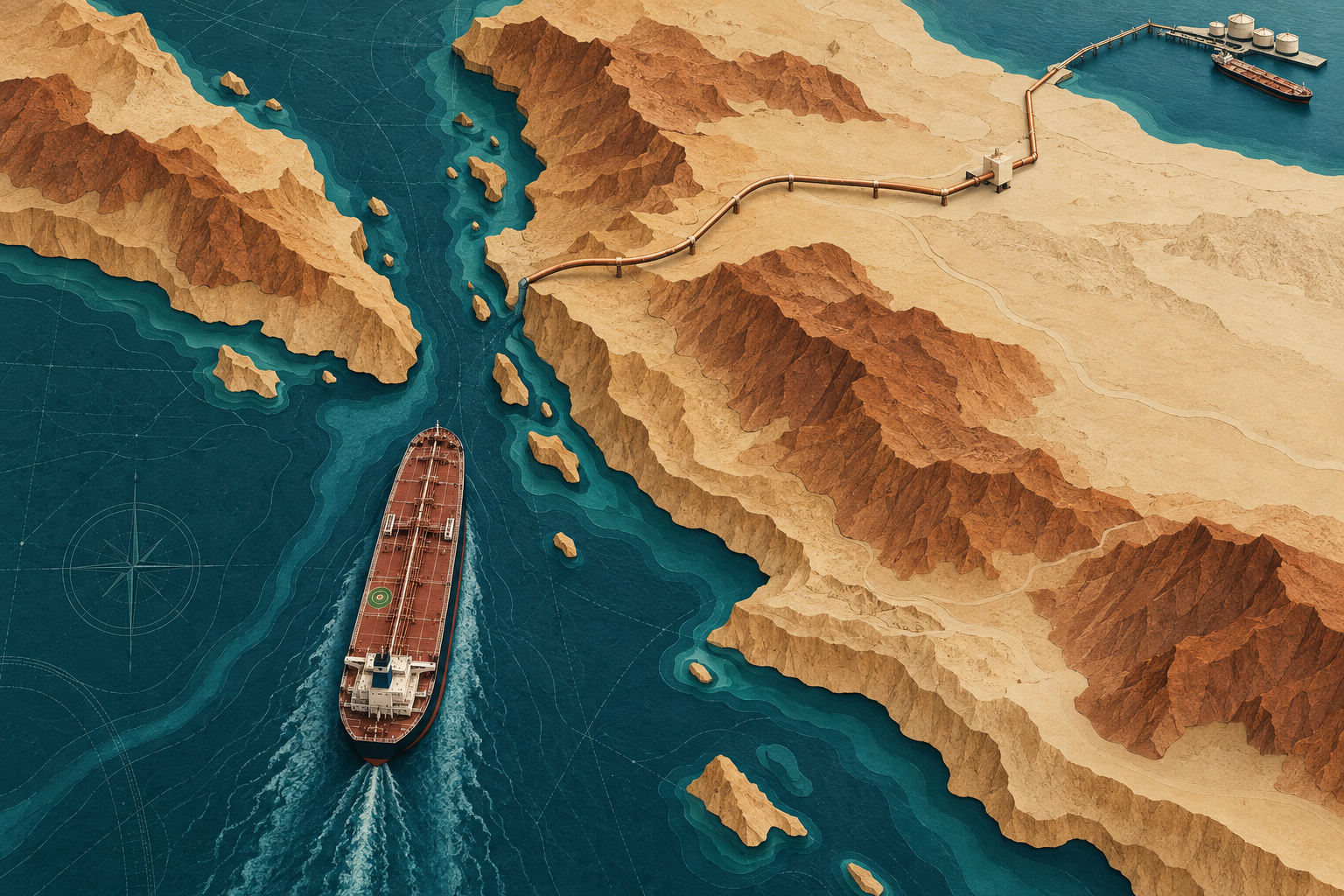
Conceptual paper landscape with a tanker in a narrow passage and an overland pipeline.
01 · World · Australian fuel

Hormuz, six months on: why is fuel rising again?

The war has become a problem of routes, repair and bargaining. A bypass can move oil around one chokepoint while exposing it to another.

Read this Lens →
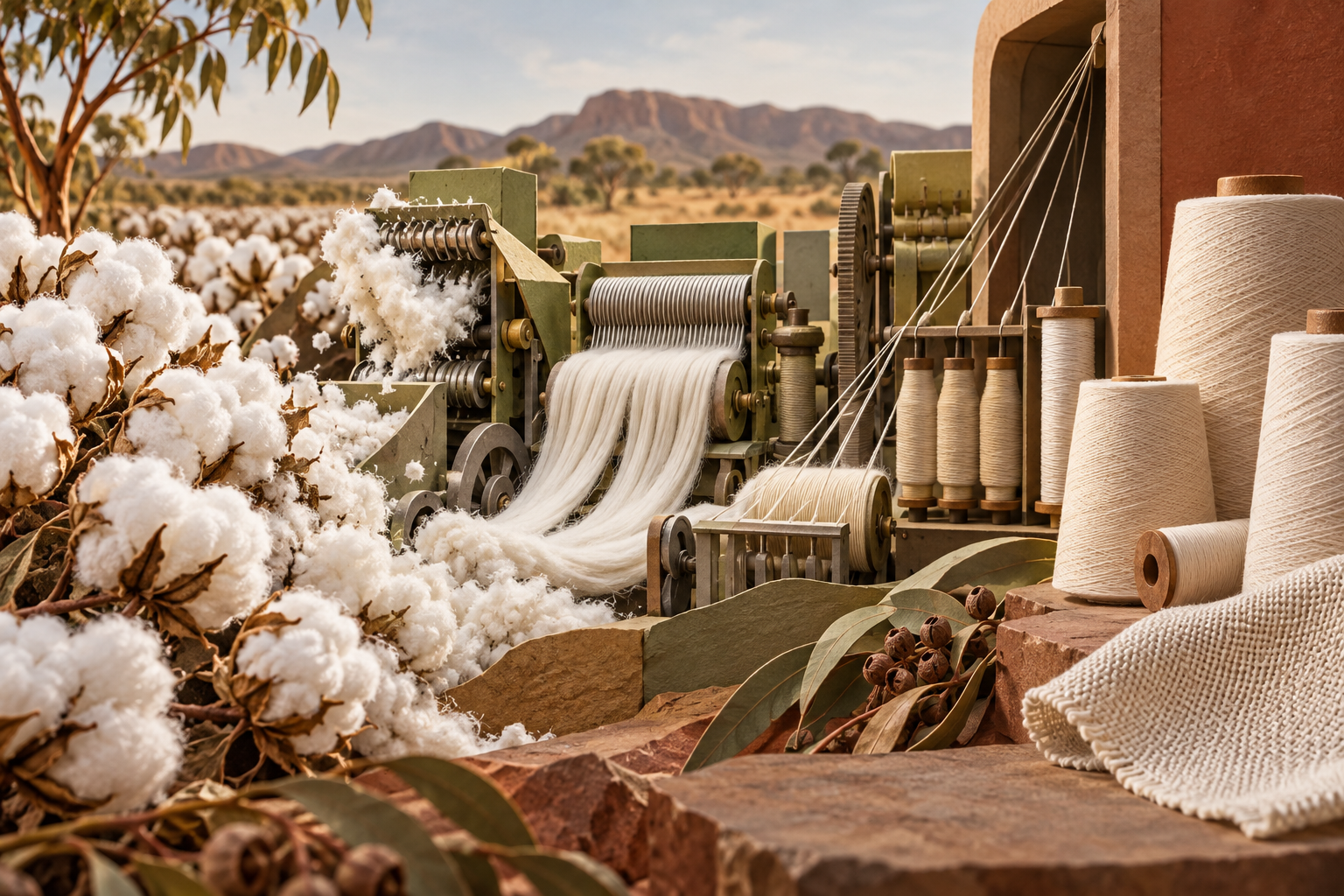
Conceptual cotton-to-yarn illustration with machinery, fibre and reels.
02 · Australia · Making things

Australia grows the cotton. Why does it leave before we can wear it?

The missing industrial step sits between a bale of fibre and the yarn a textile maker can use. Rebuilding it takes more than buying a machine.

Read this Lens →
Original illustration of a magnifier over invented archival contact sheets and a blank folder.
03 · Science · Public records

The UAP files are being released. What have they actually revealed?

Five releases, 375 files and a new protected disclosure channel. The useful question is what kind of evidence each contains.

Read this Lens →
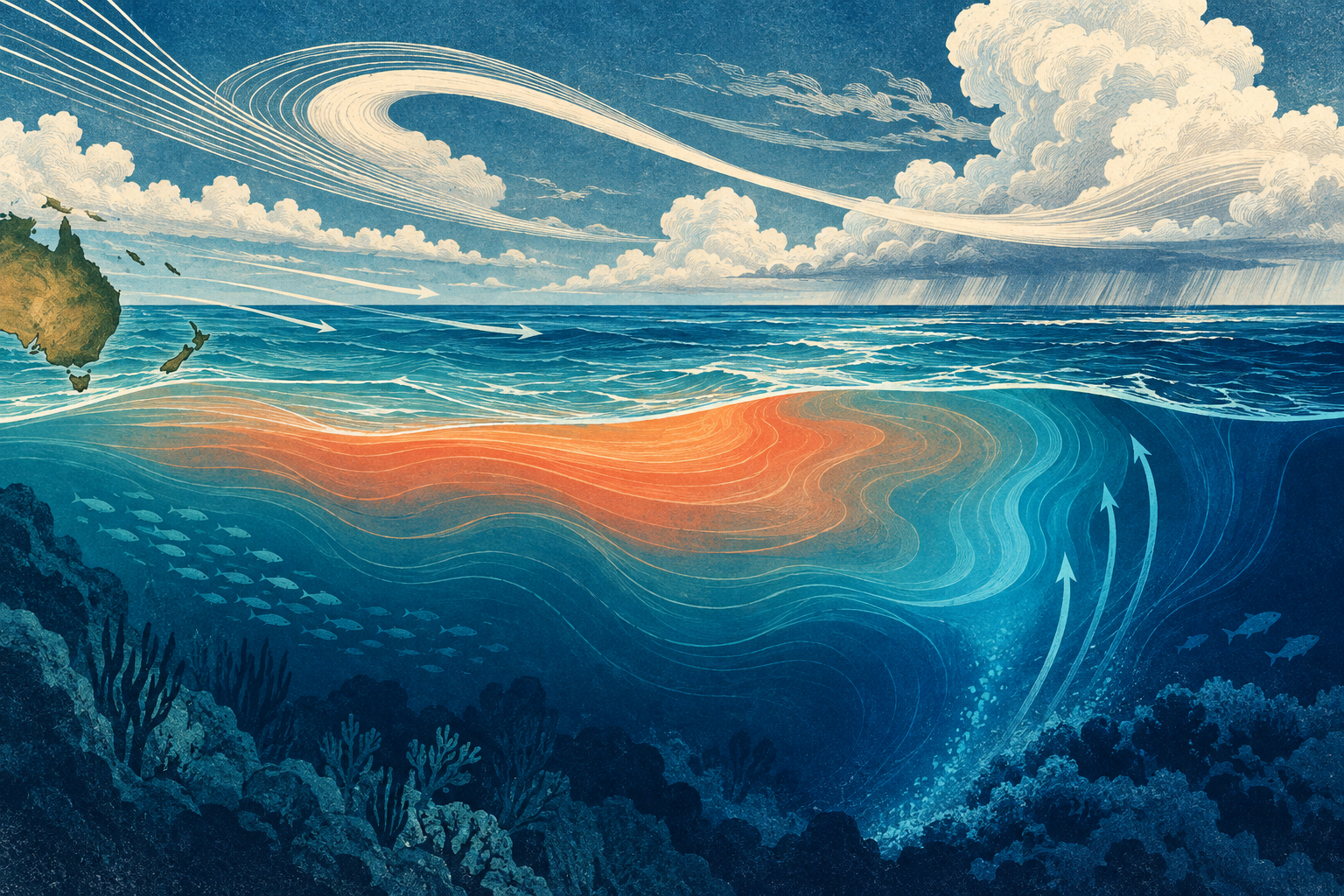
Conceptual ocean cutaway with warm water and atmospheric ribbons near Australia.
04 · Climate · Measurement

A record El Niño may be forming. Does that mean Australia's worst summer?

The Pacific signal is unusually strong. Its Australian consequences still depend on where you live, which season you mean and what else the climate is doing.

Read this Lens →
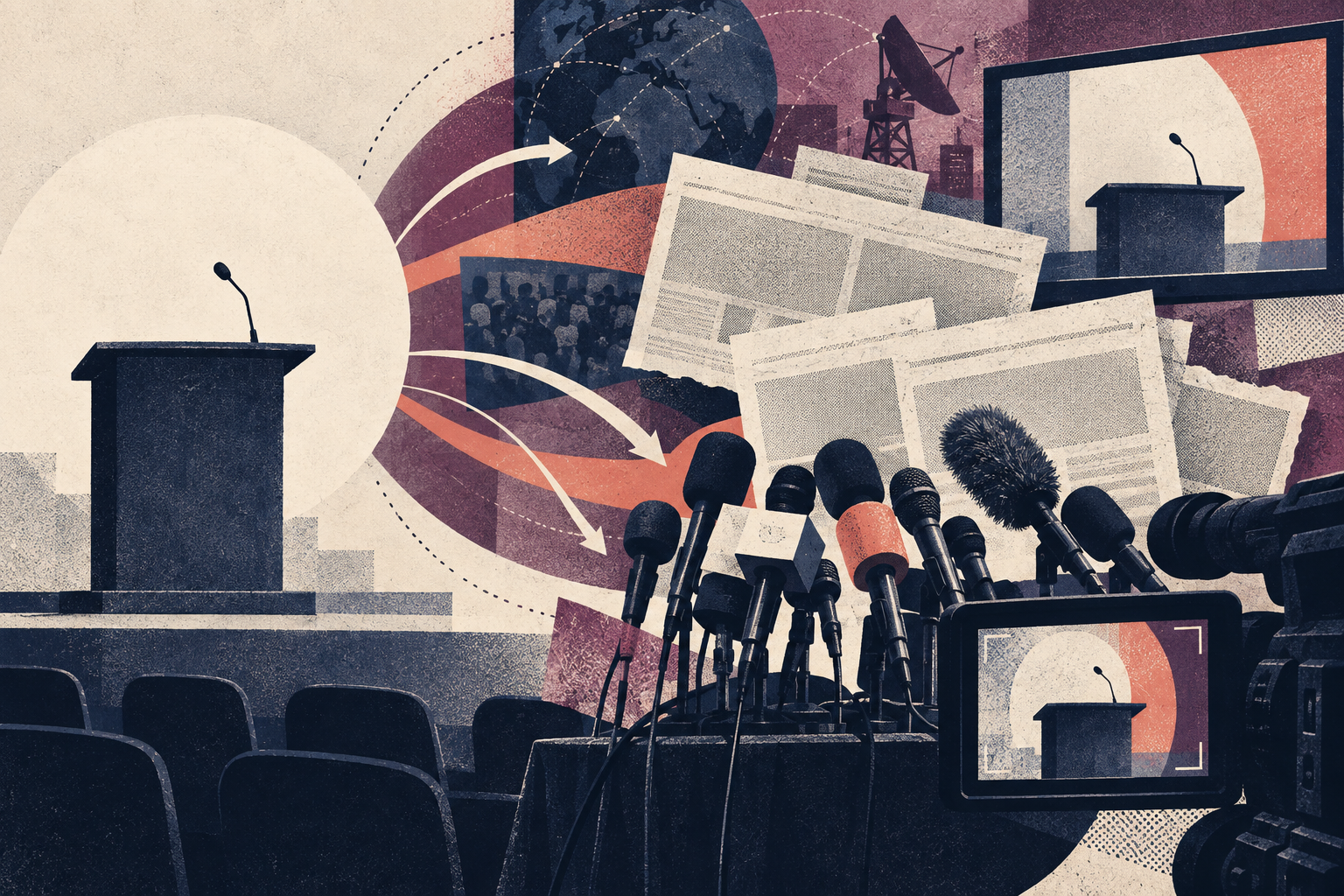
Original illustration of an empty podium, microphones and contrasting media frames.
05 · Australia · Politics and media

Pauline Hanson is active. What is the coverage choosing to show?

Policy, campaigning and controversy all appear in the record. A feeling of less attention is a question to measure, not a fact to build a story around.

Read this Lens →
This week’s Health Lens

A free lung scan sounds simple.
Who can actually get one?

Eligibility, pack-years and the next step →

After the five stories

What connects?

We understood the stories separately, then compared all ten pairs. One structural comparison survived. No issue-wide pattern did.

Hormuz ↔ Spinning millsTrace the next usable stageOpen the evidence and the limits +

An upstream resource becomes useful only through connected operating stages.

Oil: the bypass needs an exit

Hormuz connects the Persian Gulf to the Gulf of Oman. Saudi Arabia can move some crude west by pipeline to Yanbu on the Red Sea. That substitutes a land route for one sea passage; it still needs functioning pumps, terminals and ships.

Read the passage and its EIA source →

Cotton: the order must reach the mill

Buying a uniform from an Australian business is not the same proposition as requiring Australian-spun yarn. A contract could support local design, distribution or sewing while the fabric still contains yarn spun overseas. To test the proposal, trace the procurement specification through every production stage.

Read the passage and procurement sources →

Why the comparison helps

Ask which next stage can actually operate, what it needs and who has committed to use its output. Upstream abundance and announced capacity cannot answer that question on their own.

Where the comparison stops

Oil has existing but threatened export routes; cotton has a missing conversion stage and an unproved investment case. No shared cause or numerical equivalence.

Relationship: structural, inferred · Confidence: moderate. No claim that one story caused the other.
Beyond this issue

See the connections.
Understand the consequences.

Explore the full Lens Atlas →

Evidence checked 18 September 2026. Original conceptual illustrations accompany source-based diagrams. Each story carries its own dates, sources and unresolved questions.