Lens · Cars, energy & transition
EVs just outsold petrol cars. Did Australia actually hit the tipping point?
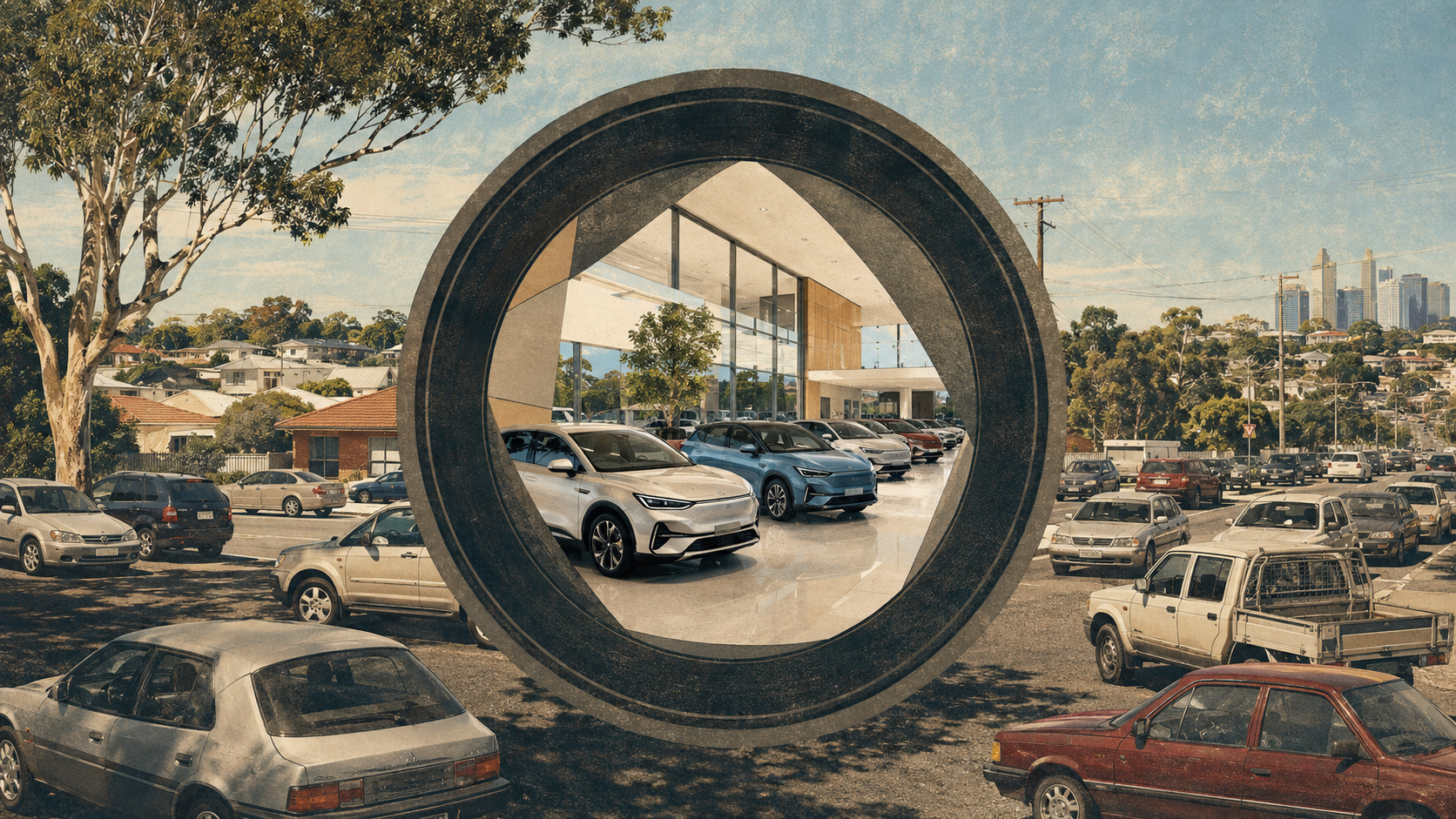
In August, battery electric cars became Australia’s largest individual new-vehicle powertrain category. That is a real milestone. It is not the same as electric cars becoming most new cars—or most cars on the road.
The shortest answer
A milestone in new sales. A different question for cars already on the road.
More than 27,000 battery electric vehicles were sold in August 2026. At 24.9 per cent of the new-vehicle market, they outsold petrol, diesel, hybrid and plug-in hybrid vehicles when each category is counted separately.
But petrol and diesel together still exceeded battery EV sales. And one month of new sales changes only a small edge of Australia’s much larger existing vehicle fleet.
August 2026 · New vehicles only
The milestone is impressive because of what it says—and because of what it does not.
New sales, on a scale from 0 to 100 per cent. Battery EVs were the largest single category. They were not a majority of all new sales. New sales are not the whole vehicle fleet. The five shares reported by carsales total 97.2 per cent, so this is not a complete breakdown. They imply a combined plug-in share of 34.6 per cent; the Electric Vehicle Council reports 36 per cent. We have not reconciled that difference.
9.31%Battery EV share · June quarter 2025
→21.03%Battery EV share · June quarter 2026
The August result did not arrive from nowhere. The quarterly share had already more than doubled year on year. One exceptional month can still move back; the sustained quarterly rise is the stronger evidence of a market shift.
One market, two speeds
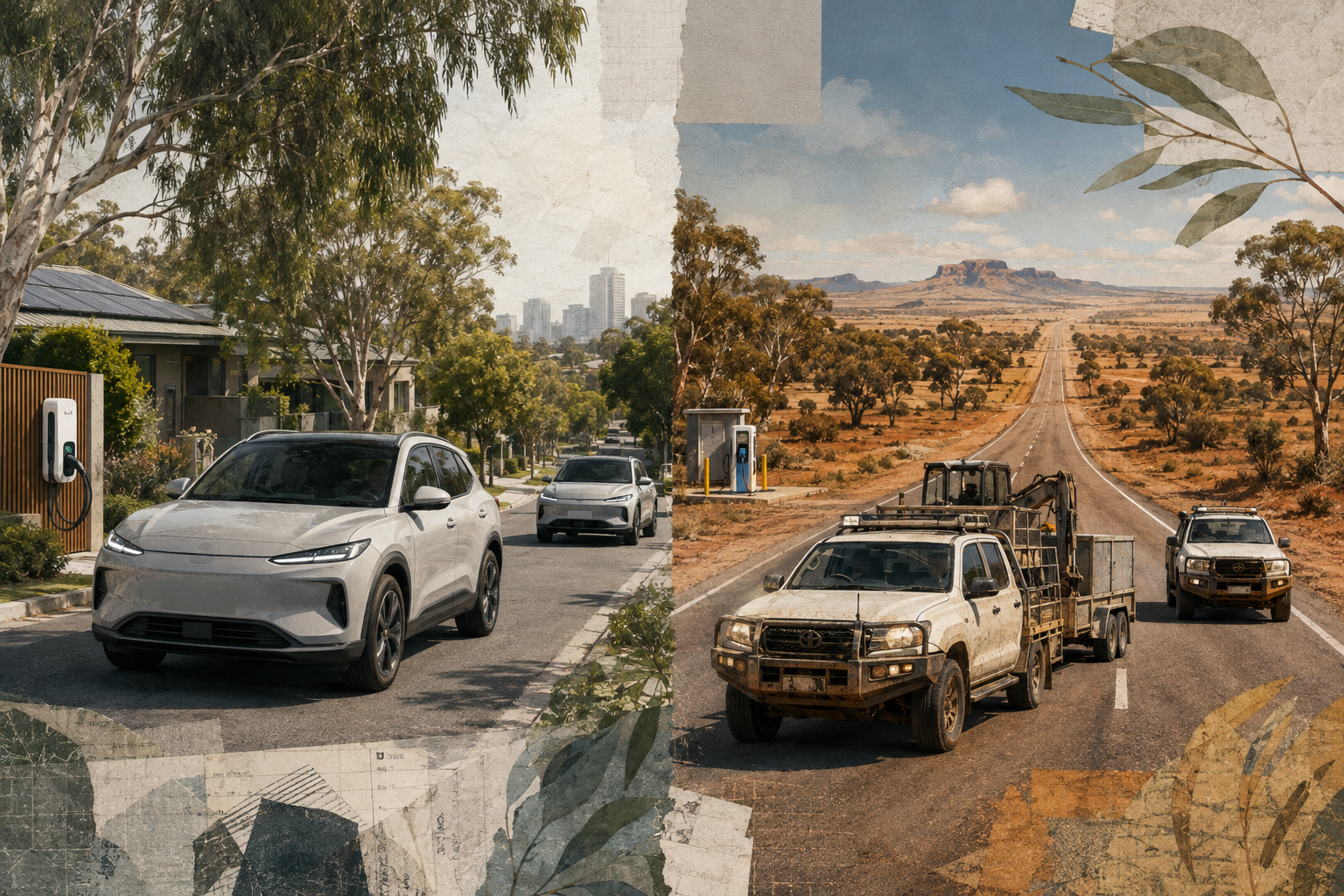
Passenger choice is widening. Work vehicles are a different test.
In the June quarter, battery EVs reached 37.3 per cent of medium-SUV sales. In four-wheel-drive utes, their share was 0.29 per cent.
More models, urban charging and strong competition have brought EVs into a mainstream family category.
Towing, payload, range, remote charging and model availability make this segment much harder to change quickly.
What changed around the market
The efficiency standard is a supplier target, not a petrol-car ban.
Australia’s New Vehicle Efficiency Standard began on 1 January 2025. It sets an average carbon-dioxide target across the new vehicles each supplier brings to market. Suppliers can balance higher-emitting models with lower-emitting ones.
The standard can encourage more efficient choices and a broader EV range. It does not require an individual buyer to choose an EV, and it does not remove existing petrol or diesel cars from the road.
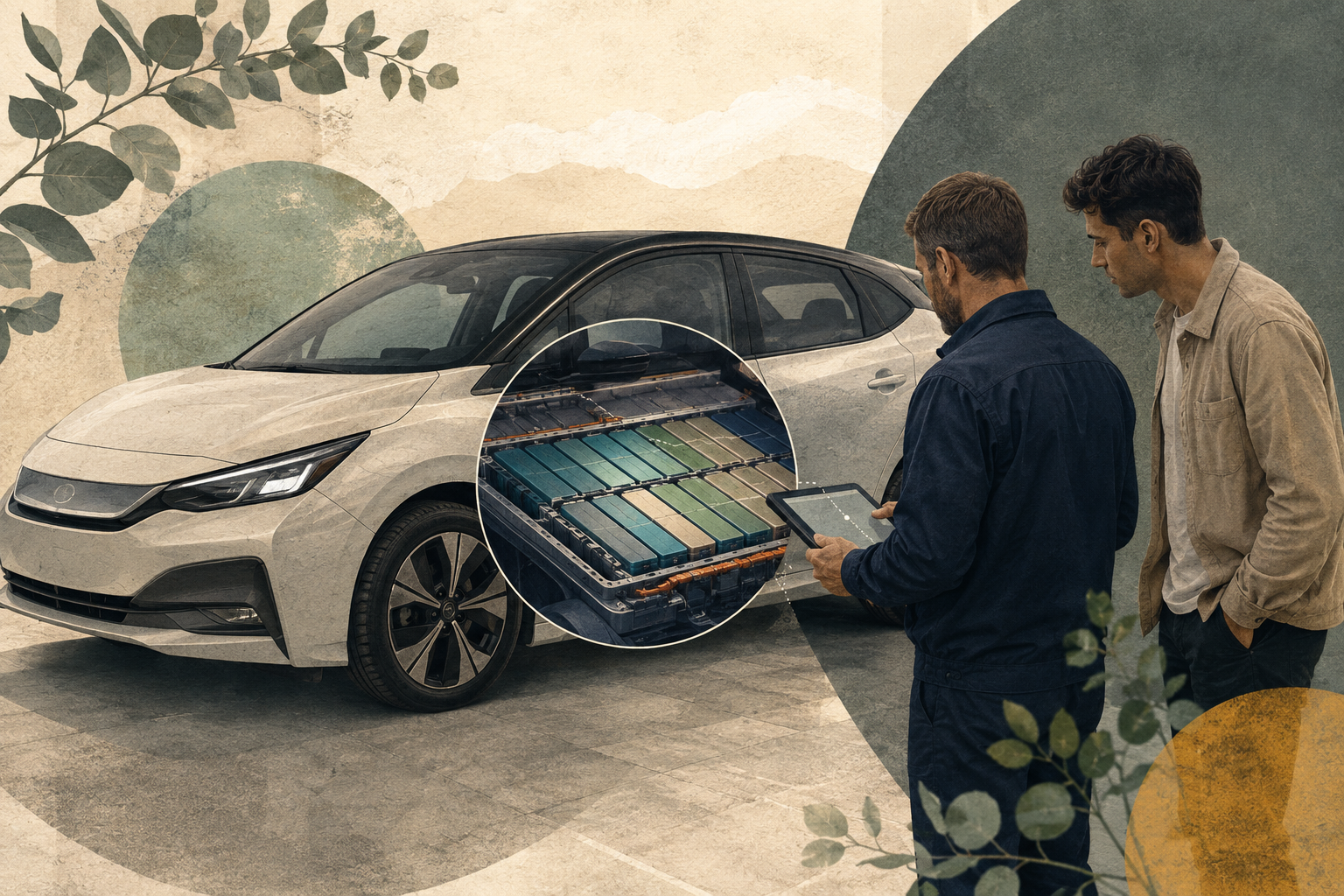
What would make the shift durable
The next threshold is confidence after the first owner.
Four claims the August number cannot carry by itself
No. The result covers new sales in one month.
No. The existing fleet changes slowly, and some segments barely moved.
No. Costs depend on vehicle, driving, charging, finance and resale.
No. Less imported petrol can improve fuel resilience while vehicle and battery supply chains remain concentrated overseas.
Show me the evidence
One month, placed in its proper frame.
Market reportingcarsales reports the August category sharesOpen source ↗Market shareBattery EVs reached 24.9 per cent; plug-in vehicles reached 36 per centOpen source ↗Quarterly trendAustralian Automobile Association EV IndexOpen source ↗The standardHow the New Vehicle Efficiency Standard worksOpen source ↗Lifecycle emissionsElectric vehicle lifecycle emissions explainedOpen source ↗
Checked 4 September 2026 August category counts other than battery EVs are rounded from the reported market shares and total. Later revisions may change them slightly.
Chart correction · 6 September 2026: Bar lengths now follow the displayed percentages on a common scale. The earlier lengths followed row order. The displayed figures are unchanged. We also replaced two source links and identified an unresolved difference between the reports. The distinction between new sales and the existing fleet remains.
Free Lens updates
Understand the story. Get the next Lens.
Our free weekly email brings you the latest Lens reporting and what changed.
Get the free Lens email via Substack →
Delivered by Substack. Entering your email creates a private Substack account. No app or public profile needed. Unsubscribe anytime.
Open the signup page instead →