Japan's alliance, nuclear possession, hosting and the consequences left by testing are different questions.
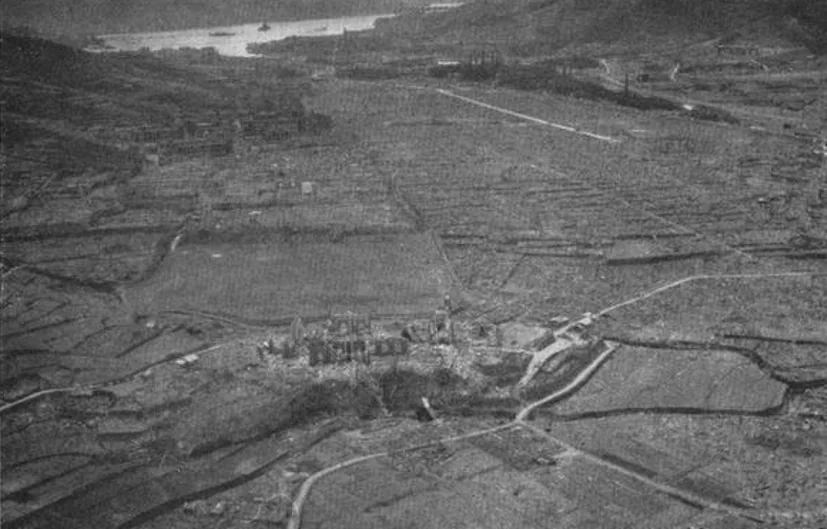
No. Japan's government relies on United States extended deterrence, but a 2026 survey found much less support for Japan owning nuclear weapons or hosting American ones than for strengthening the alliance. Those figures do not prove whether deterrence works, and they do not answer who carries the consequences if weapons are used or testing damage remains.
A water purchase can be real without proving where the water went, what it changed, or who controlled it.
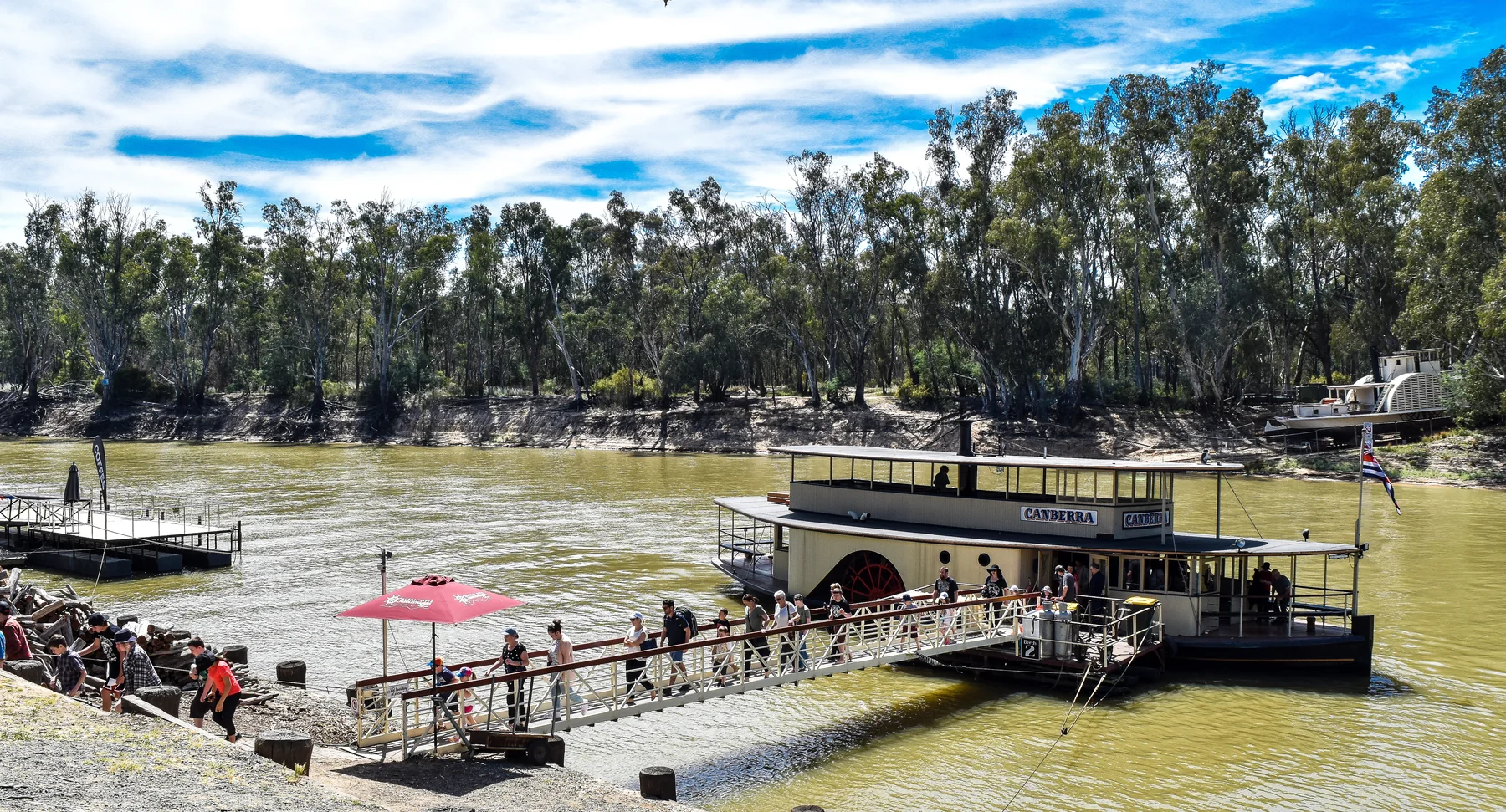
The government had contracted 279.6 gigalitres a year of long-term average water yield by 30 June 2026. That measures agreements to buy entitlements. It does not show that the same volume was available in one year, reached a particular wetland, improved its condition or gave a First Nation control of the water.
Workplace AI can raise task productivity without automatically raising pay or reducing hours.
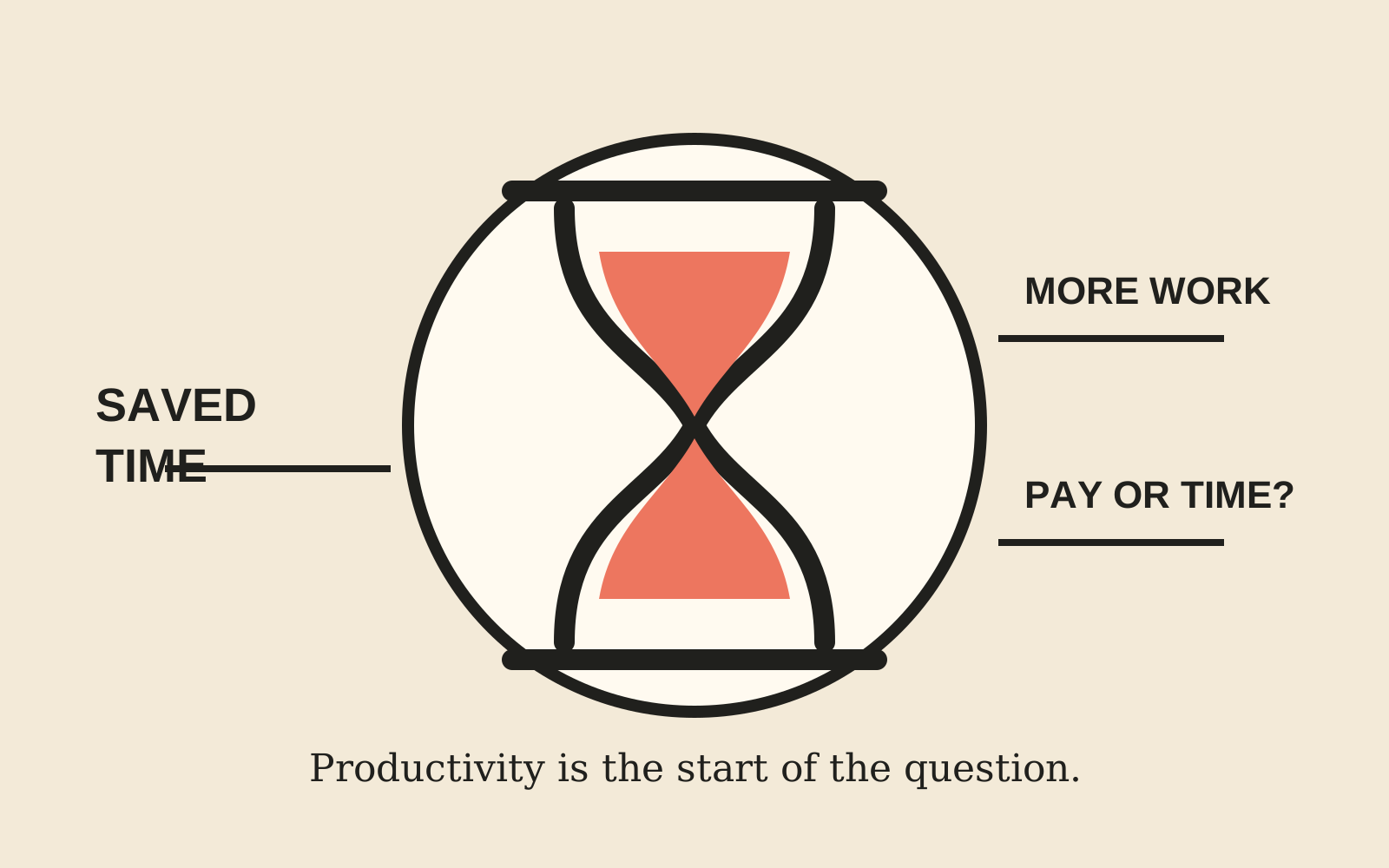
In a customer-support study, generative AI raised issues resolved per hour by 15% on average. In Denmark, workers reported that most saved time went into other work tasks, while administrative records showed no measurable average change in earnings or recorded hours through 2024. Faster work is real in some tasks; who benefits is a separate question.
A cooling standard can change a rental property without guaranteeing that every renter can afford safe indoor temperatures.
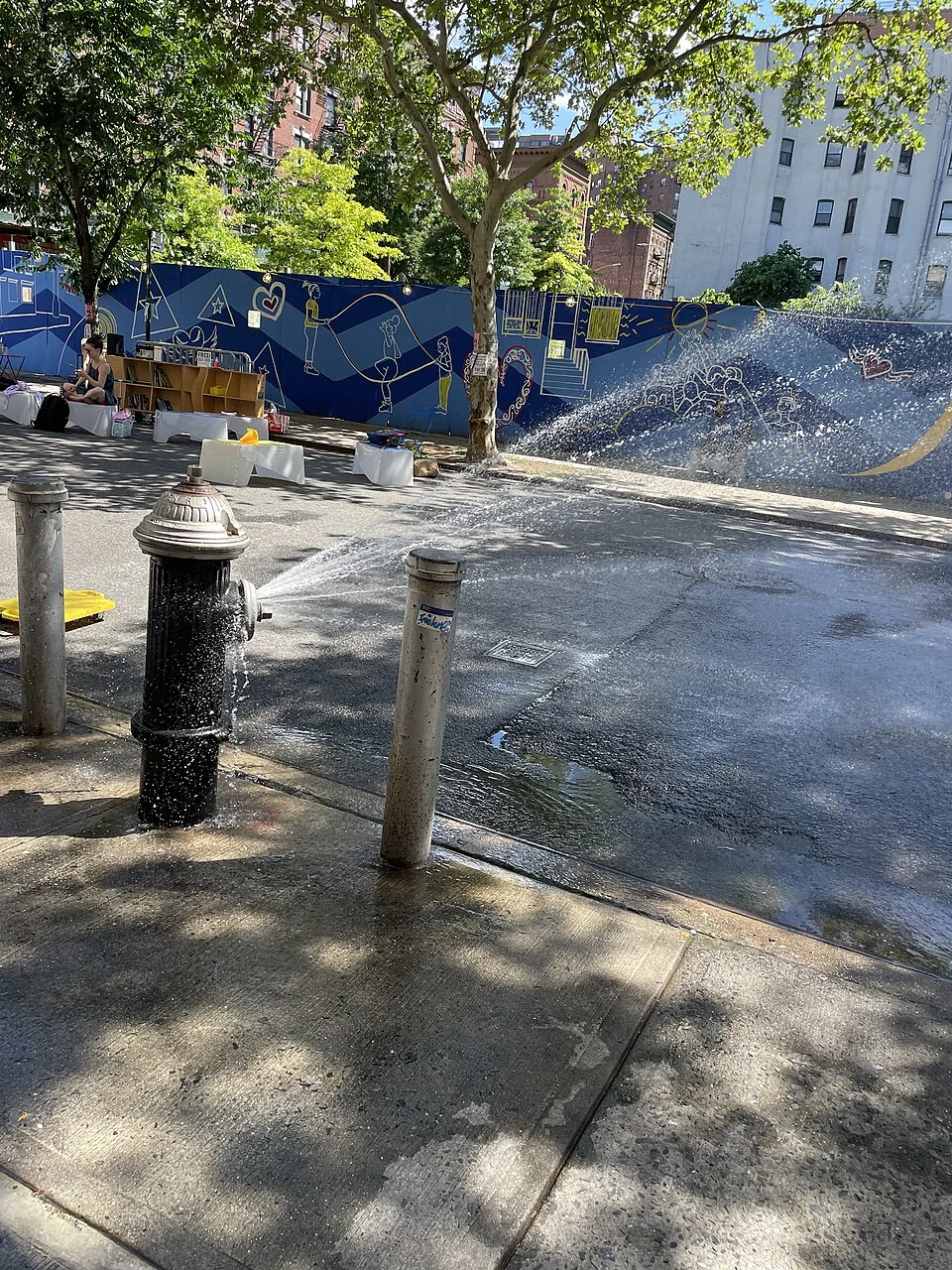
Victoria is phasing in fixed cooling requirements, but the broad requirement for all rental properties does not begin until 1 July 2030. A working unit can reduce heat exposure; it does not guarantee that a home cools effectively or that a renter can afford to run it. Heat risk is shaped by the building, income, health and access to cooling together.