Current editionIndependent · Evidence led · Published in AustraliaThe Good That Keeps Going · 15 October 2026

The weekly paper
for curious people

See the connections.
Understand the consequences.

Free email via Substack →

Swipe to see more sections →

Community · Issue 011 · Michigan, United States, and Ghana

A useful idea is one you can share

Ben Hogan is sharing designs and working with others, so useful knowledge does not have to stay with one person.

Ben shared the work, not only the design

What allows an idea to travel beyond its maker?

Ben published resources, worked with engineering students and travelled to train clinicians. The good in the idea is not only what he made, but his attempt to help other people make and use it safely.

What people heard

Ben Hogan is sharing prosthetic designs made with bicycle components.

Listen to the article text

Your device reads the answer and main sections on this page. This is not the two-host discussion; it uses your device's voice and may sound different across browsers. Sources and visuals remain on the page.

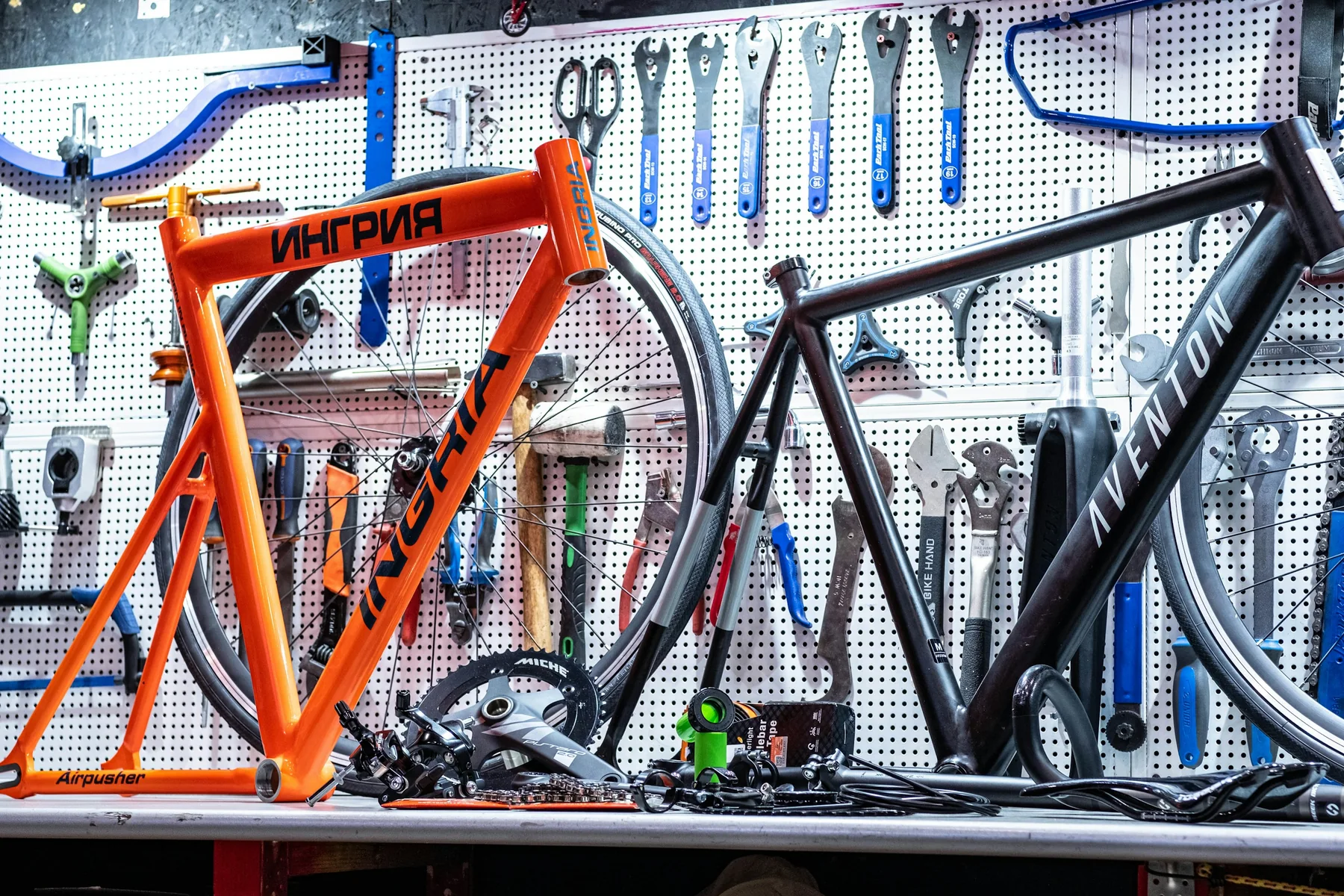
Two bicycle frames and loose components stand in front of a workshop tool wall
Illustrative photograph: bicycle frames, components and tools in a workshop.Photo: Anton Savinov · Unsplash License · Does not depict the reported people or events

Ben Hogan’s work brings together two things he knows: bicycle mechanics and prosthetics. Through Project Bike Leg, he is developing prosthetic designs that make use of bicycle components and sharing fabrication resources online. [P1]

Michigan State University documented a collaboration in 2025 involving Ben, engineering students, MSU Bikes and its Resource Center for Persons with Disabilities. The students worked on designing, prototyping and testing a device that could be reproduced with accessible materials and tools. [P2]

Hogan later wrote that he travelled to Ghana to train students and staff at a prosthetics school to make the device. [P3]

The part worth following is not just the object. It is the attempt to share what is needed to make and use it. A design, practical teaching and people with the relevant skills can allow knowledge to travel beyond its originator.

The next chapter is what local clinicians are able to do with that knowledge, and what support helps them keep doing it. For now, the published accounts give us a beginning: development, collaboration and training.

A useful idea becomes more interesting when other people have a chance to work with it.

Follow the thread

Published designs, university collaboration and clinician training form documented parts of the same project.

What this could change

Open designs can spread access to an idea, but prosthetic fitting still depends on skilled people, testing and local clinical systems.

After training

The project could become locally repeatable if clinicians have materials, tools and ongoing support.

Watch: Stable reports from the Ghana training partners and documented follow-up.

Evidence still needed

Wider use should follow safety, durability and patient-outcome evidence rather than publicity alone.

Watch: Published testing methods and clinical results.

Evidence, limits and the next question

Still open: This is not an instruction to make or fit a medical device. Avoid unverified safety, cost, durability, population reach and clinical efficacy claims.

P1

Project Bike Leg ↗

Project Bike Leg · Undated; checked 15 October 2026 · Project’s own resources, design aims and collaboration information

Free Lens updates

A new perspective, when the next Lens is ready.

Our free weekly email brings you the latest reporting, the questions still open and any meaningful changes.

Send me the free Lens email →
Delivered by Substack. Entering your email creates a private Substack account. No app or public profile needed. Unsubscribe anytime.
Open the signup page instead →